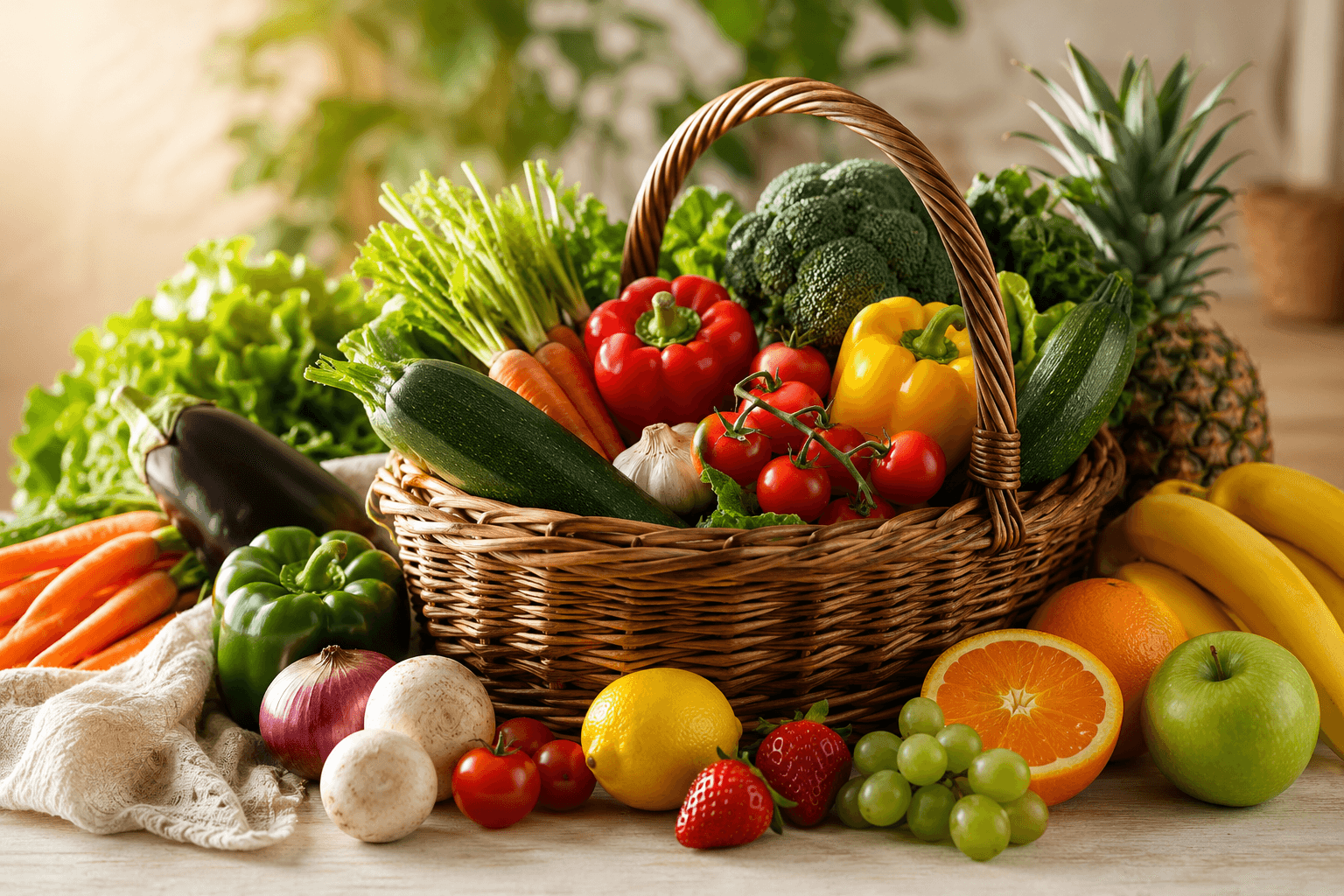
What a supermarket price actually includes
When you buy a bag of rice or a box of tomatoes at a supermarket, the price isn't just the cost of the item — it includes the retailer's own margin, the cost of running physical stores, and everything in between the original source and the shelf.
None of that is unreasonable — retail is a real business with real costs — but it does mean the price on the shelf is higher than what the retailer itself paid further up the chain.
What 'direct' actually means
Buying direct means going to the same tier of the supply chain a retailer would normally buy from, instead of buying from the retailer itself.
- Produce and dairy sourced directly from farms
- Packaged staples sourced directly from manufacturers
- Bulk items sourced directly from wholesalers
Why this usually costs less, not more
It's a common assumption that skipping a store means less convenience for a small saving. In practice, because the retail markup is removed entirely rather than negotiated down, the savings are usually more significant than people expect — commonly in the 20–30% range compared to standard retail pricing for the same items.
Does buying direct mean less choice or lower quality?
Not inherently — a farm-direct tomato is the same tomato a supermarket would otherwise buy and mark up. The tradeoff is usually about convenience and range rather than quality: a direct-sourcing model works best when it's paired with a plan (so orders are for specific items needed, not a full browse-everything supermarket aisle experience).
How SafeDiet applies this
SafeDiet buys groceries this way by design — produce and dairy farm-direct, pantry staples manufacturer-direct, bulk items wholesaler-direct — and matches what's ordered to your actual weekly meal plan, so there's no need to browse a full catalogue to find what you need. Everything is delivered straight to your door.